EVOLUTION OF VIDEO GAMES part 1
Bertie the Brain
According to some, the first video game ever created was Bertie the Brain - constructed in 1950 by an inventor named Josef Kates.
This massive monstrosity of a machine, which measured four meters tall, played a familiar childhood game known as Tic-Tac-Toe and was displayed in the Canadian National Exhibition.
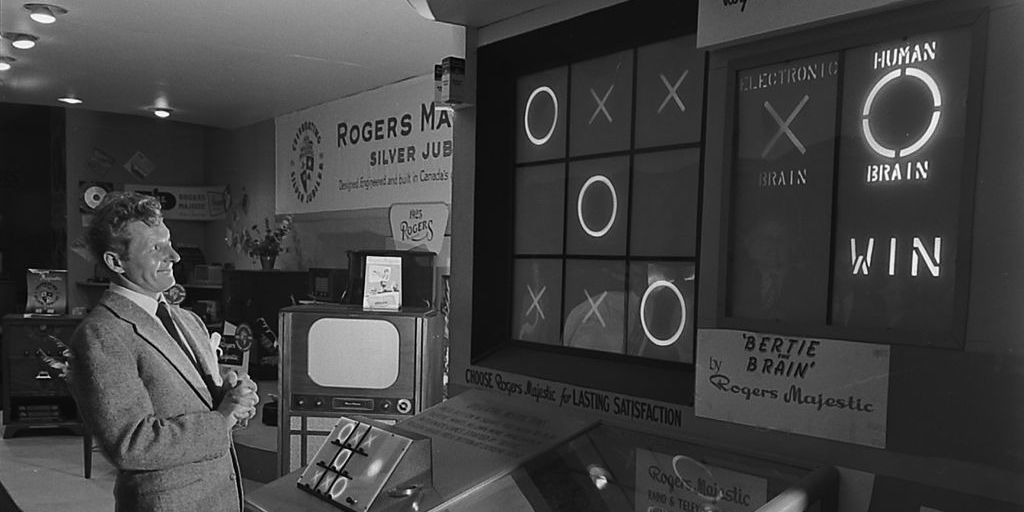
For weeks, visitors to the Canadian National Exhibition were able to challenge the artificial intelligence of Bertie the Brain in varying levels of difficulty, much to their delight. For its time, Bertie was a marvel of technology - something no one has seen before.
Sadly, this piece of our history was disassembled at the end of the exhibition, largely dismissed as no more than "novelty," even if a fantastical one.
We are back to the definition of what is a video game - a definition that Bertie the Brain does not quite fully meet.
William Higinbotham: The Man Who Invented Video Games
Although Bertie the Brain was a crucial part of gaming history, it did not fully meet the exact definition of what a video game is.
This brings us to the next major contender and the one that purists believe to be the first real video game.
Fast forward eight years into the future - to 1958 - and travel to the Brookhaven National Laboratory. There, you will meet a physicist named William Higinbotham.
William Higinbotham, born on October 25th, 1910 was no simple physicist. He already had an illustrious career behind him, having been a member of the team that created the first ever nuclear bomb.
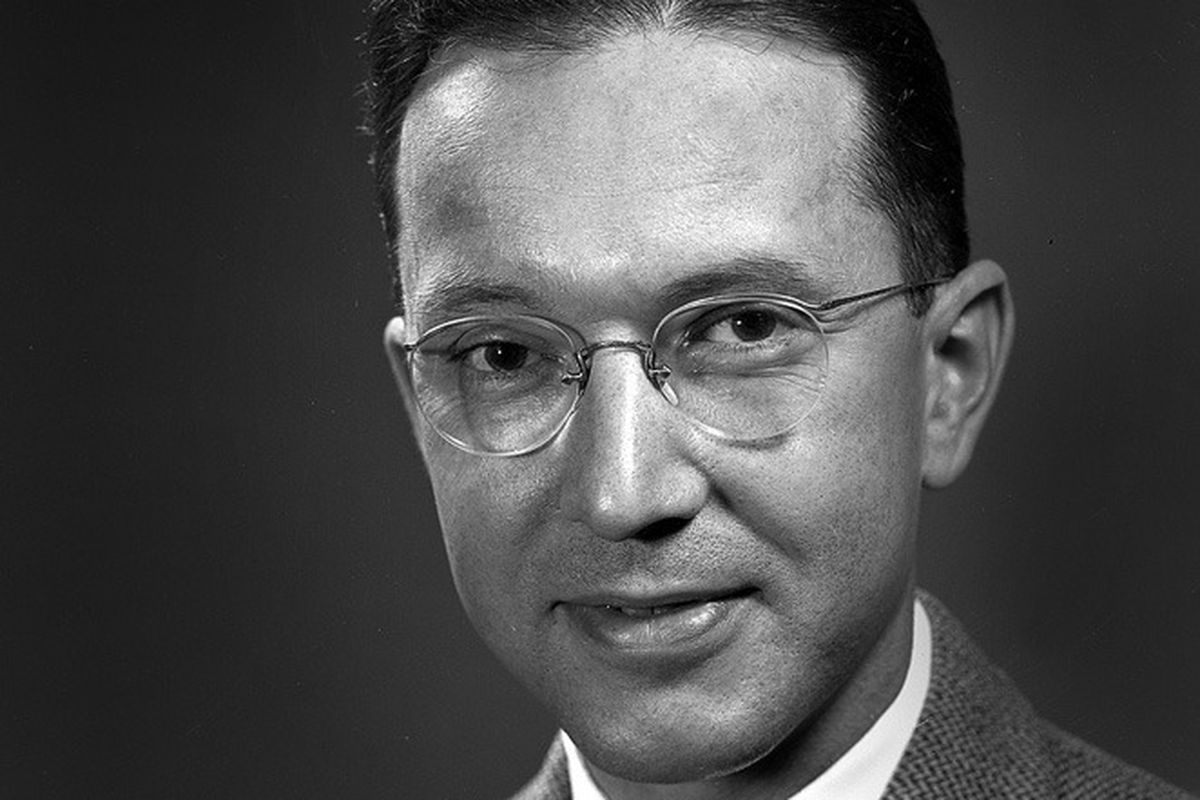
Not many gamers know that the man who practically invented what we today call a video game was also one of the men responsible for creating the most destructive technology this world has ever seen.
It’s an interesting dichotomy, to say the least, one that highlights the brilliance of this man's mind, while at the same time proving that not everything in this world is simply black or white.
Being a part of this team (and the burden that went along with it) stayed with William Higinbotham for the rest of his life and troubled him. That is probably why he became one of the founding members of the "Federation of American Scientists" - a group with the stated intent of using science and scientific analysis to make the world more secure.
wait for part 2 and more


Comments
Post a Comment